A fisherman from Teshie died last month. His family spent six weeks arguing about whether he should be buried inside a tilapia, a canoe, or an outboard motor. They settled on the fish, which cost them roughly 8,000 Ghana cedis, about half a year’s wages for a civil servant. When the carpenters finally delivered it, the thing was six feet long, painted in scales of silver and arterial red, with a gaping mouth wide enough that pallbearers could slide the body in through the gills. This is not eccentricity. In Ga communities along Ghana’s coast, this is how you send someone off properly.
What Actually Happened
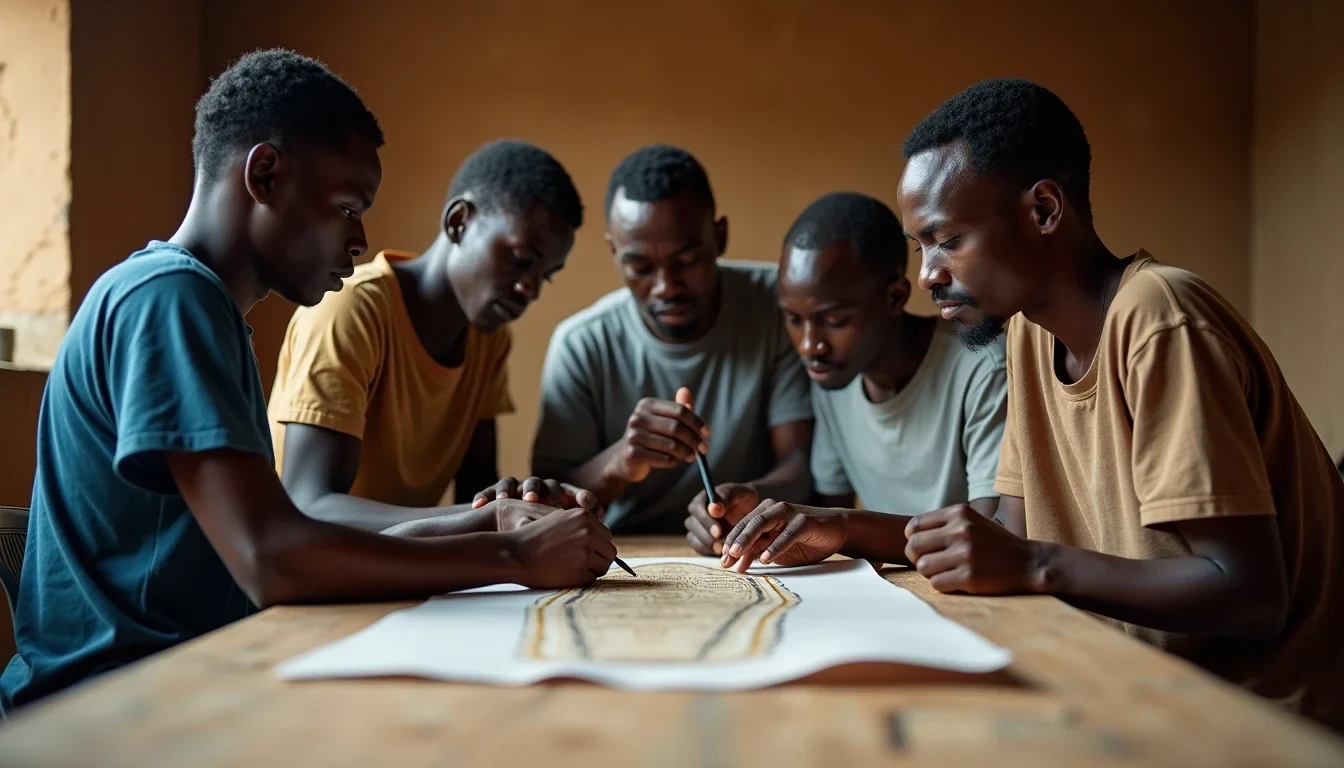
The workshop that built that tilapia operates out of Nungua, one of several coastal towns where the fantasy coffin trade has persisted for decades. The practice began with Kane Kwei, a carpenter who, in the 1950s, started building custom coffins for local fishermen and chiefs. His workshop spawned successors, most notably Paa Joe, whose pieces now sit in collections from the British Museum to the Victoria and Albert. A commission begins with family members sitting across from the master carver, sometimes for hours, debating which single object best compresses an entire existence into something the neighborhood will recognize during procession.
The economics are brutal and deliberate. A basic coffin from a lesser-known workshop might run 3,000 cedis, roughly $250. Paa Joe’s workshop commands anywhere from 15,000 to over 100,000 cedis for intricate commissions, depending on size, wood type, and urgency. Families pay 50 percent upfront. The standard build takes two to six weeks. Rush jobs, for deaths that demand quick burial, squeeze that to seven to fourteen days and cost extra. Most builders use wawa wood, African whitewood, light enough to carve quickly and cheap enough that families can afford the gesture without affording much else.
The recent commission traced from that first meeting through sanding, priming, painting in glossy automotive colors, final inspection, and collection. Family disputes are routine. One faction wanted the canoe, arguing the man spent more time maintaining his vessel than catching anything. Another pushed for the outboard motor, a newer purchase that signaled his brief period of relative prosperity. The tilapia won because everyone understood it immediately. The motor would have required explanation. The canoe looked too much like every other fisherman’s coffin. The fish was specific without being obscure.
The Procession vs. The Gallery
Walk into a London gallery displaying these coffins and you get climate control, wall text, the hush of people determining whether something counts as outsider art or contemporary sculpture. The objects are beautiful there. They are also dead in a way the buried originals are not. A gallery tilapia sits on a plinth. The funeral tilapia moves through streets packed with mourners, carried on shoulders while brass bands play and women in black and red ululate. The gallery version invites intellectual appreciation. The funeral version demands emotional response from people who knew the man, knew his boat, knew he drank Star Beer after bad catches.
This tension between contexts has sharpened as international collectors have driven prices upward. A coffin built for burial stays underground. A coffin built for export hangs in perpetuity. Workshops now face requests from European and American buyers who want the aesthetic without the corpse, and some artisans have begun producing pieces specifically for gallery sale. The craftsmanship is identical, but the purpose has split. Families in Teshie and Nungua watch their burial traditions become luxury decor in Copenhagen apartments. The reaction is not simple resentment or simple pride; it is both, held simultaneously, because the foreign money keeps workshops open and apprentices fed.
The Aftermath
The tilapia coffin was buried three days after delivery, following a wake where it lay in state in the family compound. Children touched the painted scales while adults debated whether the red was too bright for a man who had been quiet in life. The procession wound through Nungua for two hours, stopping traffic and accumulating participants. Strangers joined because the spectacle demanded it. The coffin performs biography for an audience that includes people who never met the deceased, who will now know, permanently, that a fisherman died and was honored as one.
Paa Joe, now in his seventies, has spoken in interviews about the strangeness of seeing his coffins in museums, objects built for earth now preserved against it. His workshop continues to take funeral commissions from local families, though the balance has shifted. Gallery orders pay more reliably. Funeral orders carry deeper meaning. Apprentices learn the trade on both, carving fish and cars and Coca-Cola bottles for whichever destination awaits.
The family of the fisherman has not commissioned another coffin. They are not collectors. They spent what they had, buried what they built, and returned to work. The tilapia is underground in Nungua, decomposing with the man it carried, while other coffins from the same workshop hang in permanent suspension thousands of miles north. Neither fate is wrong exactly. Neither fully captures what the practice was meant to do.