Britain filed one of America’s founding papers under “another paper” and left it there for almost 250 years.
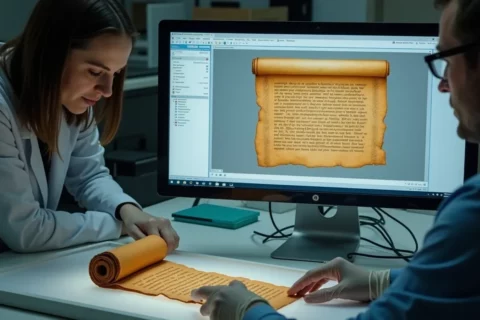
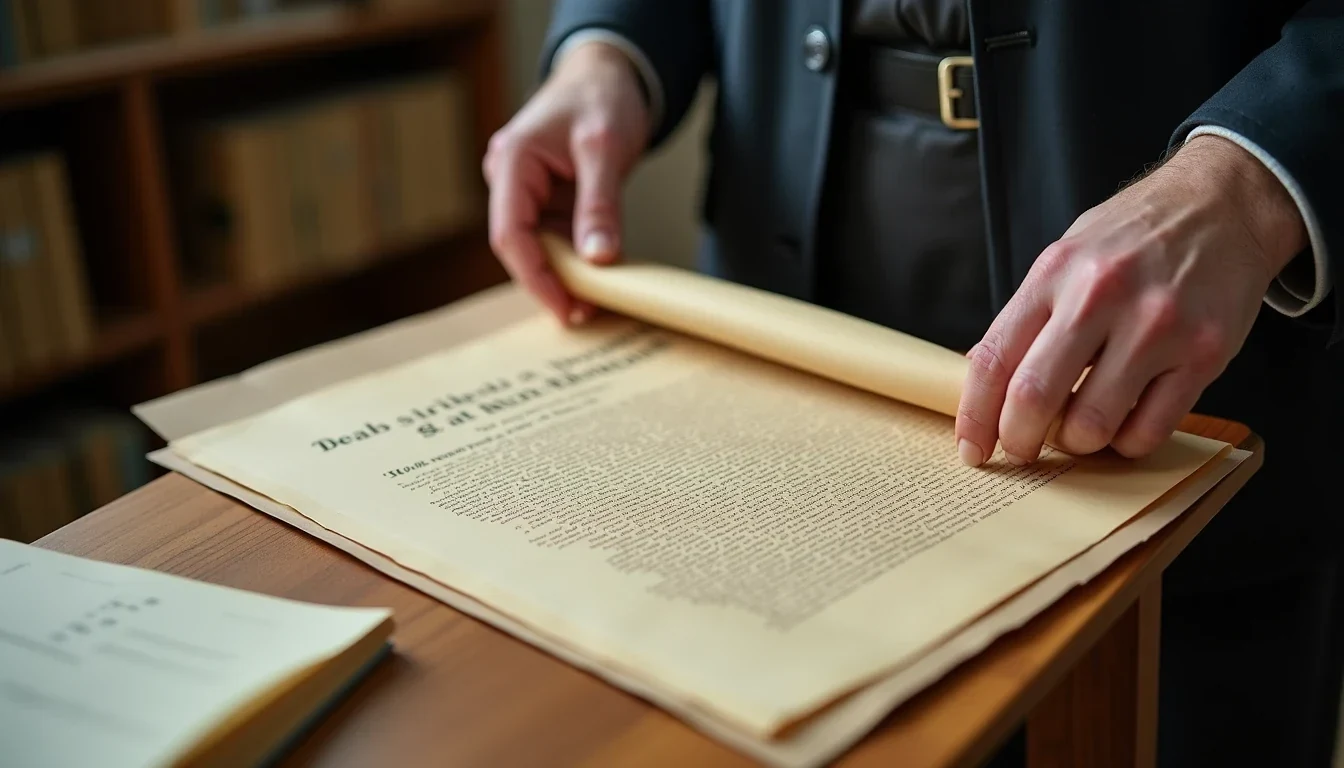
This archival comedy only lands after the punchline has outlived a few empires. Michael Scurr, a volunteer at Britain’s National Archives for 11 years, was working through records from the captured American privateer Dalton when he opened the anonymous enclosure and found a July 1776 Exeter, New Hampshire printing of the Declaration of Independence. It is one of only 11 surviving copies from that print run. The label was plain, but the contents were not.
The archive did its job too well
What actually happened
The Dalton was taken by the Royal Navy on Christmas Eve 1776 after a seven-hour chase off Europe. By then, the ship was carrying more than cargo and paperwork. According to the record, the captain dumped many documents overboard, but he kept the privateering commission, congressional orders, and the Declaration itself. These papers did not vanish into the sea. British authorities took them in and folded them into Admiralty records as evidence.
People miss this part of the story when they call this a “lost” Declaration. Britain did not misplace it; Britain archived it. The document sat inside a system built for legal memory, not patriotic sentiment, which is why it survived. A bureaucrat saw a paper trail. A volunteer later saw a historical bombshell.
Scurr’s find also exposes how flat archival language can be. “Another paper” sounds like the sort of note you slap on a receipt, not a founding document printed in July 1776 in Exeter. Yet that bland tag is exactly how the thing hid in plain sight. The archive was not being careless. It was doing what archives do: compressing reality into a filing note that nobody expected to matter outside a courtroom.
The aftermath
The upside of that cold, procedural handling is that the trail stayed intact. Scurr was able to piece together the ship, the crew, and the capture because the British records kept the chain of custody so neatly. The irony is obvious enough to taste. A document declaring independence from Britain was preserved by Britain’s own machinery, not out of reverence, but because the Navy had seized it and the Admiralty treated it as evidence.
This is a better ending than the usual treasure-hunt fantasy. There was no last-minute rescue from a dusty attic and no heroic scramble to save a forgotten relic. The paper was sitting inside a system that had already decided it was worth keeping, just for reasons nobody in 1776 would have predicted. The boring label did not erase the document’s value. It protected it by making it look boring enough to ignore.
The timing adds another layer of mischief. This discovery landed just before America’s 250th anniversary. A rare 1776 printing, hidden behind a file tag that reads like a shrug, reappears as the country it helped announce moves toward its quarter-millennial. You could not have staged that cleaner if you tried.
For anyone who thinks history only lives in grand museums and dramatic unveilings, sometimes the most valuable object in the room is the one filed under the least interesting name. Sometimes the paper trail is the story. And sometimes a volunteer with enough patience and curiosity finds a founding document where the archive had quietly parked it for centuries, waiting for somebody to bother opening the folder.