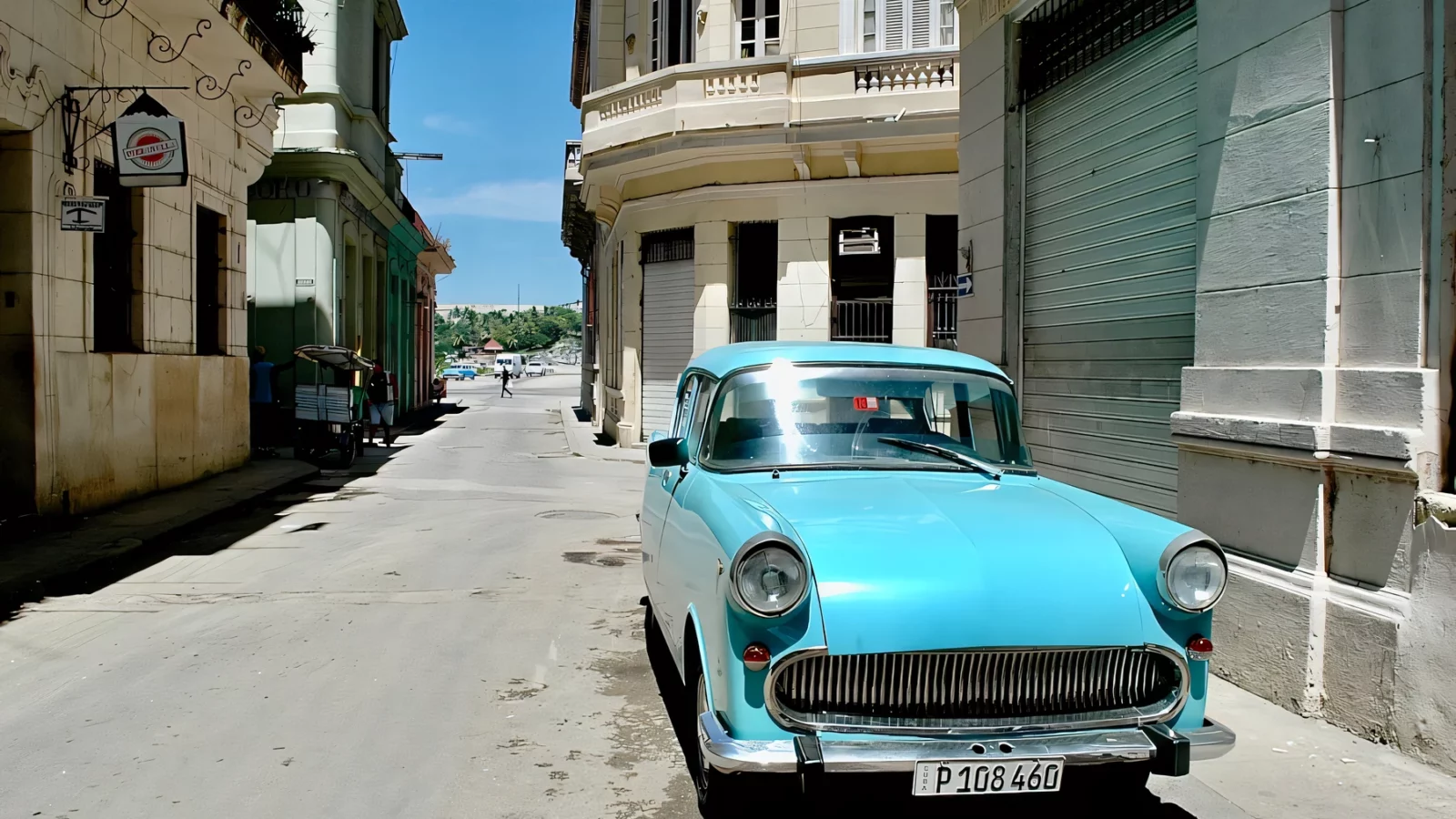
A Havana street can now look like the future accidentally parked next to the past. One lane still carries a scarred old American sedan with chrome that refuses to die, while the next one is full of small electric tricycles with solar panels strapped to their roofs, rattling past in silence because fuel is scarce and the grid is unreliable.
The city’s transport system has been improvised, not upgraded. Cuba’s fuel shortage has pushed people into practical invention, and the result is a fleet of Chinese-made three-wheelers that now haul passengers, groceries, parcels, and even rubbish along routes the buses no longer cover properly. In a place famous online for 1950s cars, the newer reality is less nostalgic and a lot more urgent.
What actually happened
The shift starts with a basic problem. Cuba does not produce enough fuel for its own needs, so the country leans on imports that have become harder to secure. Blackouts keep chewing through normal life, making anything dependent on the electric grid a gamble. If the pumps are dry and the lights keep going out, a battery vehicle without its own charging plan is just another stalled promise.
Solar tricycles address this problem. Owners fit roof-mounted panels to small electric models made in China, then use daylight to top up batteries without relying entirely on the national power network. The vehicles are not polished or ceremonial. They are workhorses, carrying people, shopping bags, boxes for small businesses, and whatever else needs shifting across town.
The price tells you who gets to play this game. A tricycle costs roughly $2,000 to $4,000, a serious sum in a country where wages do not come close to making that kind of purchase casual. The people buying them are usually not doing it on salary alone. Some sell petrol cars that are becoming too expensive to run. Others lean on remittances from relatives abroad. A few use earnings from private side hustles to piece together enough cash.
The old Havana street image has not vanished, but it is no longer the main story. The famous almendrones still draw attention, especially from outsiders, yet the daily grind is increasingly handled by these smaller, cheaper-to-operate trikes. They have started to replace buses on certain routes and have become the vehicle that keeps moving when the rest of the city is waiting.
The Aftermath
The biggest change is economic, splitting the city into two groups. If you own one of these tricycles, you are running a transport business. You can charge passengers, do deliveries, move goods for shops, or take on whatever small-paying job appears that day. Mobility turns into income.
If you do not own one, the day gets longer and more expensive. You wait for a seat. You walk. You squeeze into whatever transport is available. You plan around gaps instead of routes. In a city where buses are less reliable and fuel is harder to find, this difference hits hard.
That divide is visible on the street, and it is also social. The tricycles are a clean-transport shift, but nobody in Havana is buying them as a lifestyle statement or for the aesthetic. They are buying them because the alternatives keep failing. The solar panels are not a branding exercise; they are insurance against blackouts.
Chinese-made vehicles also point to a broader change in how Cubans are solving problems. This is not a top-down transport revolution with glossy launch events and polished slogans. It is a ground-level workaround built by people who need to keep earning while the state system stutters. The result looks makeshift, but it works because it has to.
The city’s classic cars still matter as symbols, but symbols do not move people to work, markets, clinics, and home again. The tricycles do. They are small enough to slip through crowded streets, flexible enough to carry more than one kind of load, and independent enough to keep going when power cuts turn everything else into a waiting room.
For Havana, the most visible sign of change is not a government announcement or a big infrastructure project. It is a solar panel on the roof of a three-wheeler, turning daylight into mobility and scarcity into a business model.
Who wins and who gets left behind
Owners are the obvious winners. They have a machine that can pay for itself over time, especially if they use it for passengers or goods. They can keep moving when others are stuck. They can tap family money from abroad, convert a petrol car into cash, or build a small transport operation around a vehicle that no longer depends entirely on fuel deliveries.
Everyone else is left dealing with the old math of shortage. When buses run less often and fuel is unreliable, time becomes expensive. A trip that used to be routine turns into a negotiation. The city still functions, but it functions through private improvisation rather than public reliability.
Havana’s solar tricycles feel bigger than transport. They are a snapshot of a city adapting in real time, using whatever it can get its hands on. They are also a blunt reminder that clean mobility is not always born from policy. Sometimes it arrives because the old system has stopped working well enough to pretend.